Monday, February 3, 2014

Byzantine


The Byzantine era was one of the longest eras of its time and lasted between 324 C.E. to 1453. The Byzantine culture and architectural elements were influenced mainly by the Greeks. This era gave many ideas to the making of European medival designs because of the architectural design elements that were established during this time period.
 
An interesting and monumental structure of the Byzantine period is the Hagia Sophia. The Hagia Sophia was created and designed during the Byzantine period and was created as a multi-dome structure to out-do all other structures before its time. The Hagia Sophia was created between 532 and 537 C.E. The dome brings light and height to the space with the use of tall walls and numerous amounts of windows.


A multi-dome orthodox church in Skopje, inspired by the Hagia Sophia and its multi-dome structure.
 
 
Use of columns in the Hagia Sophia shows the unique details during the Byzantine period and how those details are displayed today.


From the ideas and influences of the Romans, furniture of that time period was duplicated to the style of the Byzantine era. For example, the x-frame stool, which was based off the original design from the Romans and used with a Byzantine twist. This stool is now used modernly in current furniture styles.


For the Byzantine era, I looked at Yo's and Megan's Blogs. Yo discussed the use of pendentive style and how the style went beyond what the Romans had started. He also discussed how the dome structure wnet beyond a one-directional angle and was used, as he said a "four directional elevation view." Megan discussed and showed an image of fashion and how it was incorperated in Byzantine design and how it is used today.

References

Early Christian

The Early Christian period ranged from the time period of 330-800 B.C.E. This particular period is called Early Christian because it was the beginning of Christianity as a religion and brought some of the first architectural designs from Christians.
 
A great example of one of the first structures built by the Early Christians was in Italy and was known as Sant' Apollinare. It was one of the first structures built that displayed the basilica form of the Christian design. The classic design draws the viewer to the end of the space to worship. Also in the Sant' Apollinare there is great use of columns along the sides of the basilica which brings length and texture to the simple deisgn of the straight basilica. The shape of the original deisgned church of Christianity is continuously used modernly today.


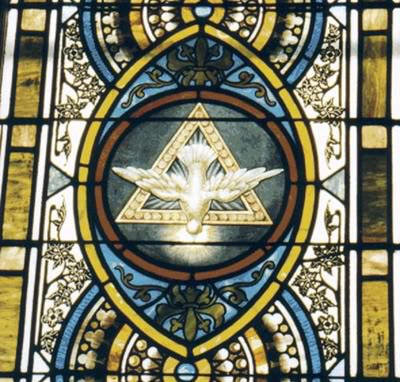
With the forming of the new religion of Christianity, different motifs and art designs also became recognized during this period. Some of these distinctive symbols for Christianity include: crosses, dove, fish, grapevine, and the lamb. All of these motifs that were established so long ago are still commonly used in Christian design today.


For Early Christianity I viewed John's and Emily P.'s posts. John had many interesting views and points of the catacombs of the Early Christians and how they used such structures to bury the dead. He also discussed the symbol of the fish and how it is commonly used today. Emily discussed different forms of furniture and how storage was greatly inportant to Christians and how their designs of benches used as storage is used during this time period also.
 

References

Wednesday, January 29, 2014

Roman Civilization

Along with the architectural developments that evolved from the Greeks, the Romans also brought great strides with their own new developments during the classical civilization period.From the creation of the Pantheon to the completion of average Roman homes.
 
To begin, there is the Pantheon. The Pantheon was and is one of the most remarkable structures of its time. From the base structure, to the coffered ceiling, to the main point which is the oculus; the pantheon is a very detailed development from the Romans and brings great ideas for future design.


Above to the left is an outside view of the Pantheon, the image shows the main structure of the building and the amazing work that the Romans left behind.
Above to the right is the inside of the dome to the Pantheon and the hole at the top is the oculus. The coffered ceiling offers depth to the dome and draws the eye up to the light of the space.
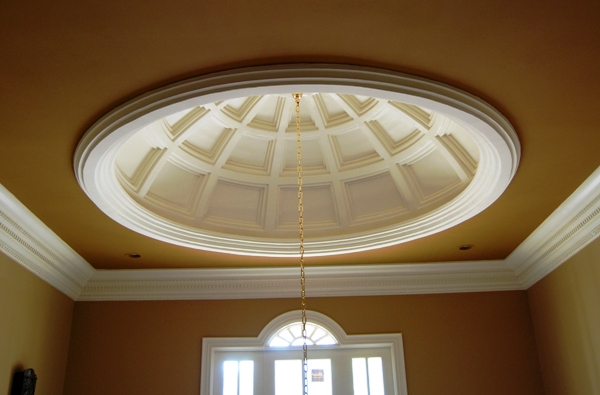
Above to the center is a modern day verison of a coffered ceiling dome in a residental home. It brings a unique feature to the space and depth.
 
 
Besides the amazing work of the Pantheon, the Romans made great achievements in the idea of an avaerage home. The Romans were the ones who created the idea of apartment style living and built the structure to house extended families and servants or slaves all in one unit.
Below to the left is an image of an original insula that the Romans had built.
Below to the right is a modern verison of an apartment complex, an image that the Romans strived for.


For Ancient Rome, I viewed Ariana and Dana's blogs. Ariana's blog talked about the unique structure of the Pantheon and also discussed how the Romans lived by social class through either living in a villa, domus, or insula. Dana discussed her two favorite Roman structures, the Colosseum and the Pantheon and how the ancient architecture made way for more modern designs today.

 
References

Sunday, January 26, 2014

Greece

During the times of the classical civilizations, the Greeks had evolved and brought new ideas of architecture and design. Two civilizations within the Grecian community were the Minoans and Mycenaeans. I would like to focus on the Minoans and they were sea-based and centered on the island of Crete.
 
 
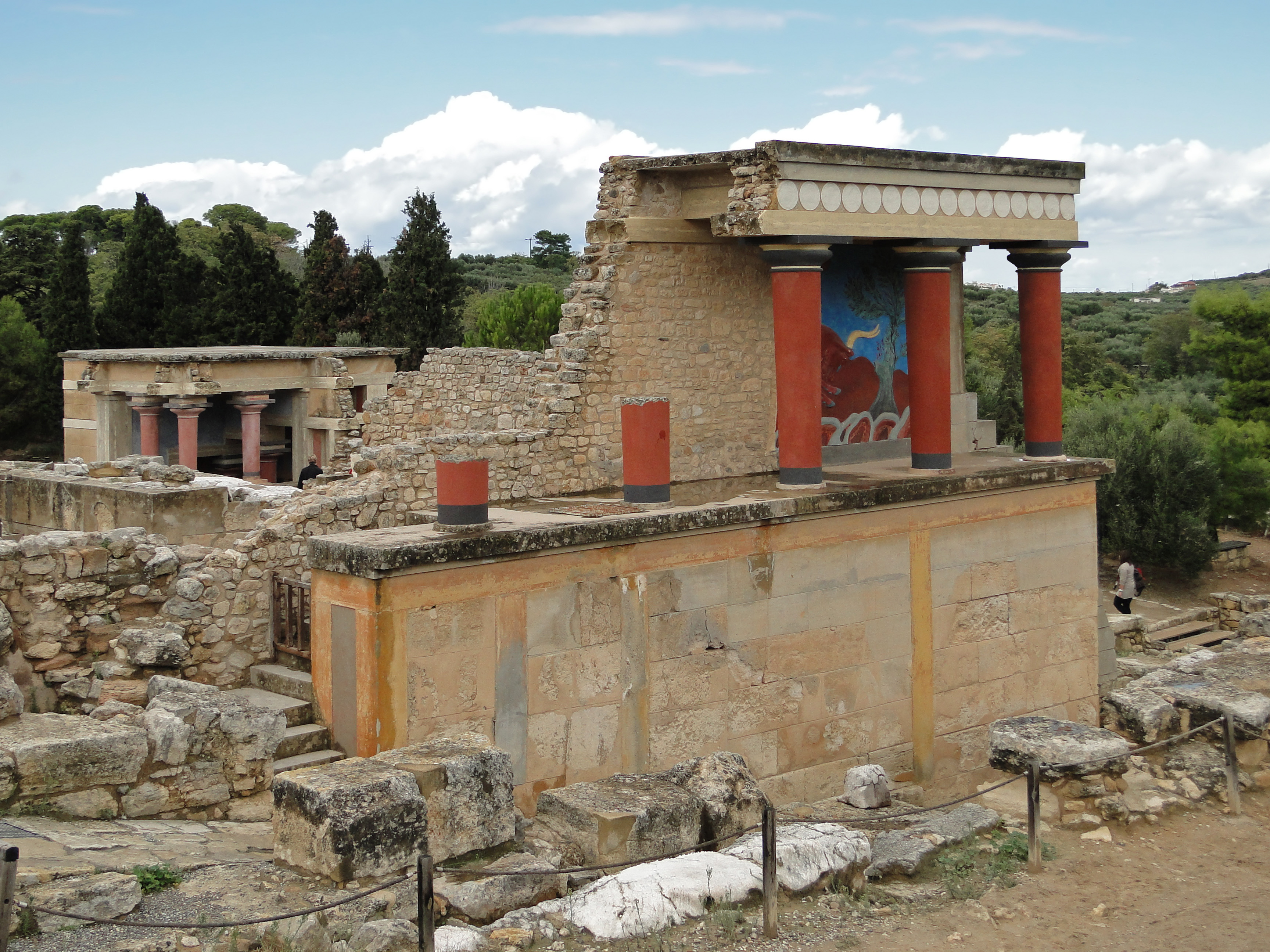
Above is a modern day image of the Palace of Knossos, which was the main element of the Minoan community and a key part of their design contributions.
 
 
The Minoan period is dated between 2000-1400 B.C.E. They had their own distinct set of style for their columns. For example of their style is the Palace of Knossos, whoms columns display the Doric style of the Greeks. The style of the Doric column is the simpliest and most standard of all styles.
 
Below is an example of the Palaces columns.


Below is the throne room from the Palace of Knossos. It displays the unique columns and different intricate details on the walls and furniture, a design that was very common in the classical civilization era.


Below is the throne room from the Palace of Knossos. It displays the unique columns and different intricate details on the walls and furniture, a design that was very common in the classical civilization era.
 
For Greece I veiwed Ali and Chanel's blog. Ali discussed the very intricate details of the greek style and how those delicate details are used today in average day style and furniture. Chanel talked about the common use of a kilsmos chairs during this period and how they are an example of many chairs used currently today.

References

Wednesday, January 22, 2014

Ancient Civilization: Egypt

From the early creation of architecture, the Egyptians had not only set a base for later civilization but also put their own unique twist on their designs. They began by using mud and stone but would also use different types of timber which would be imported from Lebanon (due to the lack of lush land).


A particular style that Egyptians used was the idea of hypostyle halls. Hypostyle halls is a type of style that has many rows of columns supporting a flat roof. The photo below is an example of the type of design for a hypostyle hall.


The next image is a modern day version of what hypostyle looked like, it is a long hall with tall columns supporting a flat roof.


Next is the Egyptians use of furniture. They had a very unique touch on common furiture that we see today. For example is this Ancient Egyptian chair and next to it, a modern verison of the same chair. This shows that although so many years ago, the Egyptian style and design still has many influences on today's designs. Although the moder day chair has more curves to support the body better, the ideas given by the Egyptians design can be clearly seen.


For Egypt I choice to view Desiree and Flor's blog. Desiree discussed the topic of the lotus blossom and how it was greatly used in Egyptian culture and architecture, she also talked about how the color blue was commonly used. Flor discussed the three types of kingdoms during the Egyptian period and how that greatly influenced they style and design of Egyptian architecture.


References